
In the current competitive real estate management landscape, tenant experience has become a defining factor in property success. Businesses leasing office space or negotiating a commercial lease for business have expectations that go far beyond square footage and location.
Why Tenant Experience Is Important
For companies exploring Maryland property management options or evaluating the best property management companies, the quality of day-to-day management can directly influence productivity, retention, and long-term profitability.
While developers and the best commercial real estate companies focus on construction and acquisition, it’s the professional property management team that shapes the ongoing tenant experience. Property management teams handle everything from commercial building maintenance to commercial property security and communication.
Businesses focused on profitability can’t afford inefficiencies, which is why they must be selective about where they operate. With their own bottom line at stake, even minor inconveniences can quickly escalate into costly disruptions. While the quality of a commercial space and its amenities plays a role in the initial decision, this is under the purview of developers and does not correlate directly to the ongoing experience shaped by the property management team.
Effective property management ensures that tenants remain satisfied throughout their lease by addressing issues proactively and maintaining a high standard of service. When tenant experience is prioritized, businesses are better positioned to perform and grow, leading to longer lease commitments and stronger relationships. This not only improves retention but also enhances property value and strengthens the management company’s reputation in a competitive market.
Safety, Communication, and Community
Tenant experience under commercial building property management can be distilled into three essential pillars: safety, communication, and community.
Safety
Safety is the baseline expectation for any tenant entering a commercial lease agreement. Businesses need to feel secure in their office space to operate effectively.
Strong commercial property security includes:
- Surveillance systems and controlled access
- Well-lit common areas and parking facilities
- Proactive commercial building maintenance
- Rapid response to hazards or repairs
Even minor issues such as faulty lighting or delayed repairs can erode trust and disrupt operations. A safe environment leads to confident, productive tenants, which is critical for long-term lease stability.
Communication
Clear and consistent communication is essential in commercial lease negotiation and ongoing tenant relationships.
A responsive property management team ensures:
- Fast resolution of maintenance requests
- Transparency around building updates or disruptions
- Clear expectations within the lease agreement
- Proactive notifications about changes affecting tenants
When communication breaks down, tenants may seek third-party solutions or reconsider renewing their commercial lease. Open communication builds trust and reduces friction in daily operations.
Community
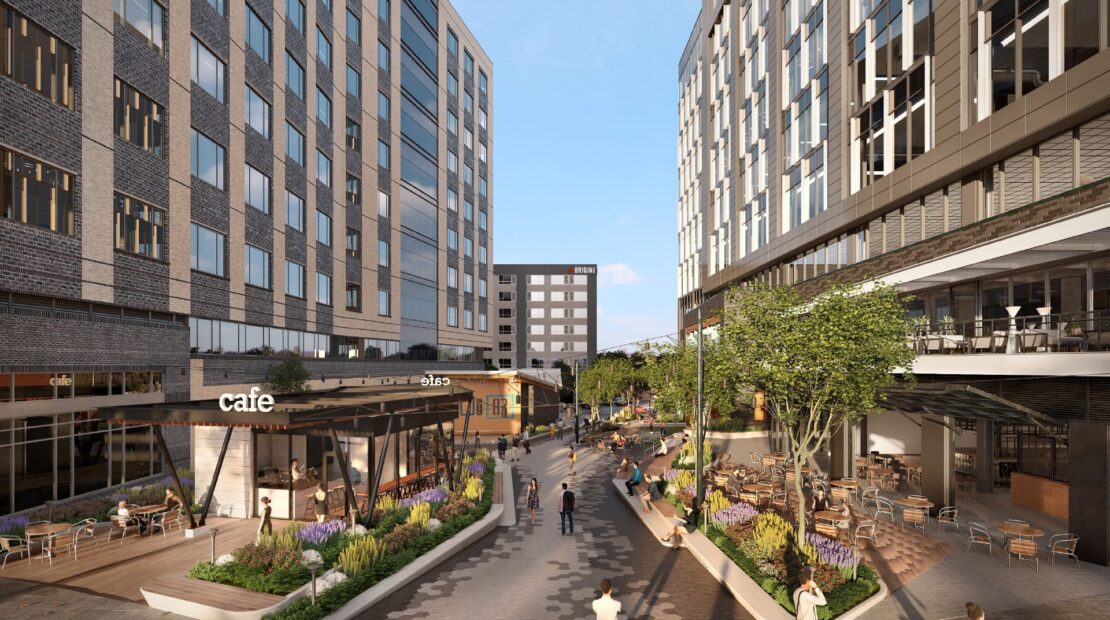
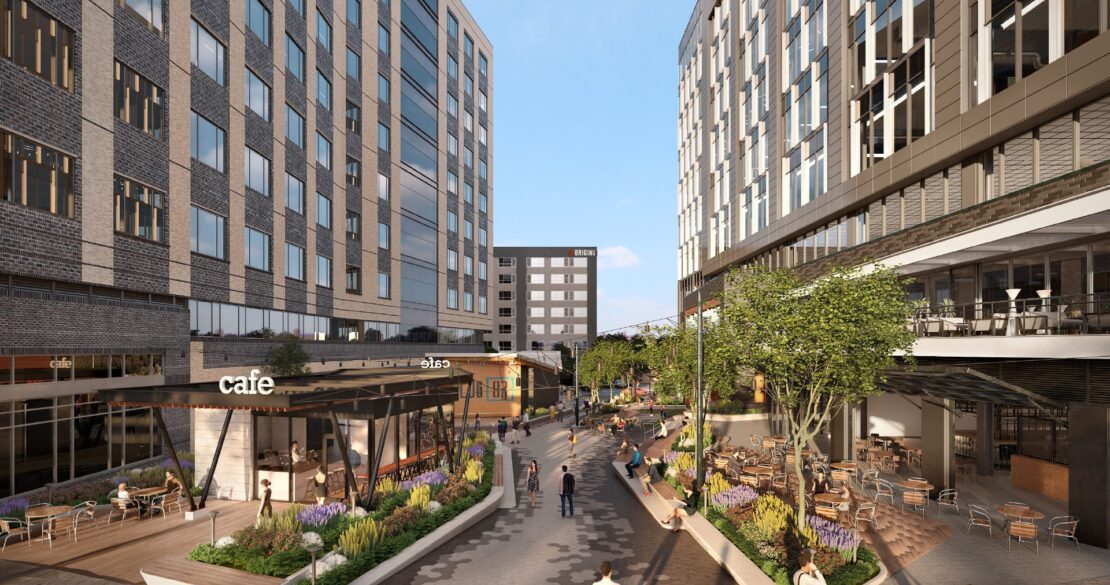
Modern real estate management goes beyond maintenance and into the realm of creating value for its vendors.
Top-tier Maryland property management firms understand the importance of fostering a sense of community within commercial properties. This includes:
- Networking opportunities among tenants
- Organized events or shared initiatives
- Collaborative environments that benefit all businesses
A strong community enhances tenant satisfaction and transforms a building into a business ecosystem.
Long-Term Effects
The short and long-term effects of strong property management services make its value unmistakable. This includes both property performance and tenant growth and success.
One of the most immediate benefits is higher tenant retention. Satisfied tenants are far more likely to renew their leases, reducing turnover and vacancy rates. This creates stability for property owners, who spend less time and resources filling spaces, and for tenants, who avoid the disruption of relocating and renegotiating a new lease with potential unknowns.
When tenants clearly see the value they’re receiving, they’re also more willing to remain in place despite rent increases. Simply put, a well-managed property justifies its cost, while a poorly managed one quickly feels overpriced.
Effective management also brings transparency to financial conversations. Rather than unexpected rent hikes, increases are typically tied to visible improvements and ongoing communication, reinforcing trust between vendors and management.
On a day-to-day level, reliable property management significantly reduces operational stress. Proactive maintenance schedules and clear communication mean fewer surprises and disruptions, allowing tenants to stay focused on running their businesses. With fewer distractions, productivity improves and the quality of work naturally increases.
Over time, this positive environment creates a ripple effect. Well-managed properties attract higher-quality vendors, which strengthens the overall business ecosystem within the building. As tenant satisfaction grows, so does collaboration, community engagement, and mutual support among businesses, often reducing the need for management intervention altogether.